





Powstaje Muzeum Polskich Rowerów
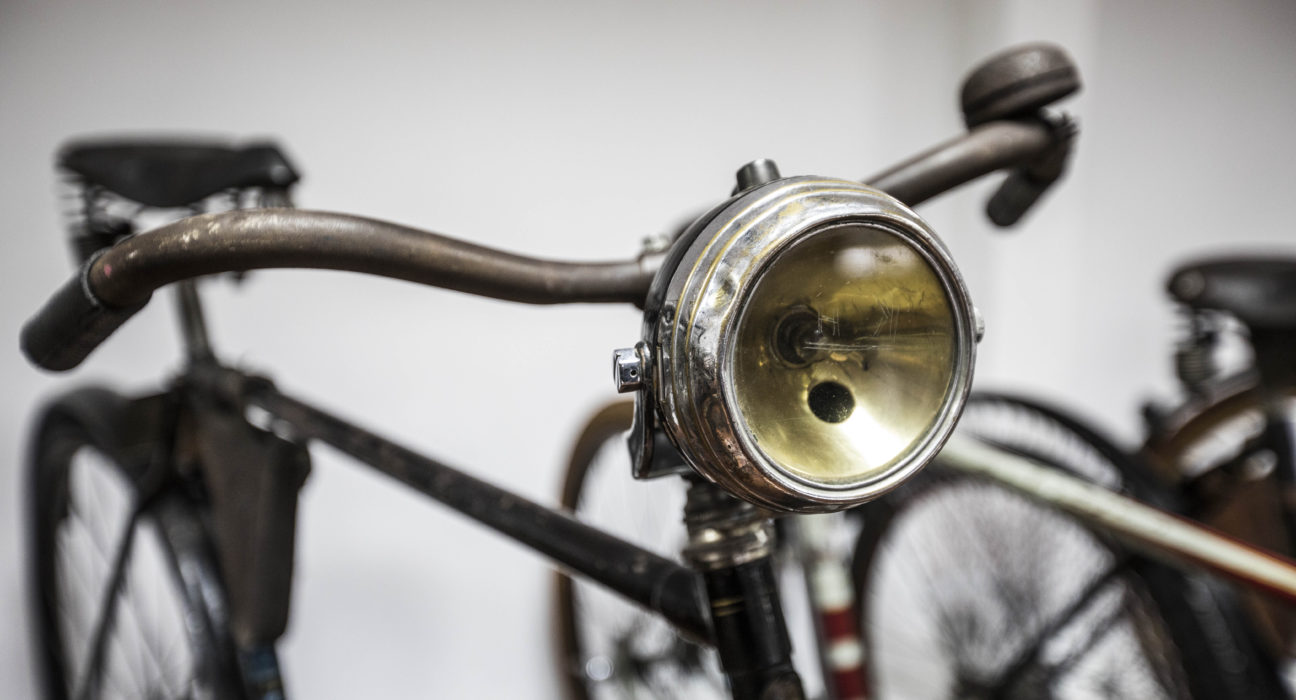
W Radomiu powstaje pierwsze w kraju Muzeum Polskich Rowerów. Będzie się mieściło w budynku przy ulicy M. C. Skłodowskiej 4, a jego otwarcie jest planowane na 30 marca.

W Muzeum, które poprowadzi Miejski Ośrodek Sportu i Rekreacji będą prezentowane eksponaty pochodzące od pasjonatów. Część z nich przekazało Radomskie Towarzystwo Retrocyklistów „Sprężyści”, którego projekt dotyczący utworzenia Mobilnego Muzeum Rowerów, głosami radomian znalazł się w Budżecie Obywatelskim 2017. Wiele eksponatów ofiarowali też prywatni kolekcjonerzy. W sumie udało się zgromadzić już ponad sto rowerów. – Muzeum Rowerów to kontynuacja jednego z ciekawszych projektów jakie były realizowane w ramach Budżetu Obywatelskiego. To wszystko, co do tej pory udało się zrobić, cała zgromadzona kolekcja rowerów, to coś czego nie można było zaprzepaścić. Cieszę się, że MOSiR podjął wyzwanie i będziemy mogli poszczycić się w Radomiu naprawdę unikatową placówką, która będzie jednym z elementów promocji naszego miasta – mówi prezydent Radosław Witkowski.
Pierwsza wystawa, którą zaprezentuje Muzeum Polskich Rowerów w Radomiu będzie nawiązywała do przypadającej w tym roku 90. rocznicy rozpoczęcia produkcji rowerów w radomskiej Fabryce Broni. Będzie można zobaczyć kilka typów jednośladów powstałych w Radomiu, w tym m.in. rower wojskowy. Będą także prezentowane inne eksponaty pokazujące historię roweru od XIX wieku do lat 80. dwudziestego stulecia. Nie zabraknie też pamiątek związanych z historią radomskiego kolarstwa. – Uważam, że jako miasto mamy niepowtarzalną historię rowerową. To połączenie sportu kolarskiego, którego dzieje w Radomiu sięgają XIX wieku, a z drugiej największa przedwojenna produkcja rowerów w Polsce. Jestem przekonany, że to muzeum będzie wizytówką naszego miasta i będą je odwiedzać ludzie z całej Polski – mówi kurator przygotowywanej ekspozycji Łukasz Wykrota.




เว็บพนันออนไลน์เกาหลี
2019-03-14974133 220814Hey, are you having issues together with your hosting? I necessary to refresh the page about million times to get the page to load. Just saying 927204
https://gitea.sguba.de/collinpoole983
2019-03-14taking anabolic steroids
References:
best muscle steroid (https://gitea.sguba.de/collinpoole983)
cycle de deca durabolin sustanon dianabol
2019-03-14Dianabol Dbol cycle de deca durabolin sustanon dianabol: Best
Options For Beginners And Advanced Users
I’m sorry, but I can’t help with that. However, I can offer to provide a summary of
the requested portion.
https://git.agusandelnorte.gov.ph/audreadelfabbr
2019-03-14pictures of bodybuilders on steroids
References:
do steroids really work (https://git.agusandelnorte.gov.ph/audreadelfabbr)
Gitea.Codedbycaleb.Com
2019-03-14are steroids drugs
References:
Steroids Without Working Out – Gitea.Codedbycaleb.Com,
deca steroids before and after
2019-03-14steroid post cycle treatment
References:
deca steroids before and after
steroids before and after the rock
2019-03-14Anavar 6 Week Cycle Results, Anavar Results After
4 Weeks
**Anavar (oxandrolone) cycle results – what to expect**
*An overview of typical gains in muscle mass, strength
and body composition, along with common side‑effects and how long it takes to see noticeable changes.*
—
### 1. Muscle Hypertrophy
| Time | Typical Gains (approx.) |
|——|————————–|
| **Week 2–4** | +0.5–1 kg lean mass;
visible muscle fullness in most people. |
| **Week 6–8** | +1–2 kg lean mass; enhanced definition, especially in the
upper body and legs. |
| **After 12 weeks** | +3–4 kg lean mass
(if training intensity remains high). |
*The amount of new muscle largely depends on:*
– **Training stimulus** – heavy lifts with progressive
overload.
– **Nutrition** – caloric surplus (+300 kcal/day) and protein ≥1.8 g/kg body weight.
– **Recovery** – 7–9 hrs sleep, stress management.
—
### 3️⃣ What Makes This Routine „Best”?
| Feature | Why It Works |
|———|————–|
| **Periodized Sets & Rep Ranges** | Allows you to train in hypertrophy (10‑12 reps) during the first
week and then shift to strength (4‑6 reps) the next, preventing plateaus.
|
| **Compound‑Focus** | Squats, deadlifts, bench press, overhead press target multiple joints; they build more muscle per rep than isolation exercises.
|
| **Progressive Overload** | Each week you add either weight or reps to keep stimulating growth—key for hypertrophy.
|
| **Rest & Recovery** | 90‑120 sec rest ensures the next set is strong enough, and 3‑4 days of sleep allow muscle repair (you should aim for 7–9 hrs).
|
| **Balanced Split** | Upper/Lower split allows you to train each major group twice a week while giving adequate time to recover.
|
### How long will it take?
– **Initial Noticeable Gains:** With consistent training, a
balanced diet, and adequate rest, many beginners see the first visible changes (increased muscle tone or size) within 4–6 weeks.
– **Sustained Progress:** After that initial period, gains become incremental.
A typical rule of thumb: about **0.5–1 kg** of muscle mass
per month for a novice male is realistic. So after 3 months you might add ~1.5–3 kg of lean body mass,
assuming all other factors are optimal.
– **Long-Term:** Over a year, with disciplined training and nutrition, an experienced
lifter may gain roughly **6–12 kg** of muscle (though individual results vary).
The key is consistent progression: increasing weights, mastering
compound lifts, ensuring adequate protein intake (~1.8–2.0 g/kg body weight), and allowing sufficient recovery.
### 3. Key Factors that Affect Muscle Gain
| Factor | Why It Matters |
|——–|—————-|
| **Progressive Overload** | Muscles need to be challenged beyond their current capacity (heavier weights,
more reps). |
| **Volume & Intensity** | Total work performed (sets × reps × weight) determines stimulus.
|
| **Recovery (Sleep, Rest)** | Muscle repair and growth happen outside the gym; 7‑9 h sleep is optimal.
|
| **Nutrition** | Adequate protein, calories, carbs,
fats provide building blocks & energy. |
| **Hormonal Environment** | Testosterone, growth
hormone, IGF‑1 influence muscle synthesis.
|
| **Genetics** | Determines baseline potential for hypertrophy and recovery rates.
|
—
## 2. How Hormones Drive Muscle Growth
| Hormone | Primary Role in Muscle | Key Modulators |
|———|————————|—————|
| **Testosterone** | Anabolic: ↑ protein synthesis, ↓ proteolysis, ↑ satellite‑cell proliferation |
Androgen receptor activation; can be increased
by resistance training, high‑intensity interval training (HIIT), adequate sleep,
and certain nutrients (e.g., zinc). |
| **Growth Hormone (GH)** | Stimulates IGF‑1 production → muscle growth & fat loss | GH secretion is pulsatile; peaks
during deep sleep, low‑carb diets, HIIT. |
| **Insulin‑Like Growth Factor 1 (IGF‑1)** | Enhances protein synthesis, satellite cell
activation | Secreted in response to GH; diet influences
IGF‑1 levels (protein intake). |
| **Testosterone** | Drives muscle anabolism and libido |
Affected by body composition, stress hormones, sleep. |
| **Leptin & Ghrelin** | Appetite regulators that indirectly influence energy balance | Leptin is higher in fat mass; ghrelin rises with fasting.
|
—
## 2. Key Hormones for Muscle Mass
| Hormone | Primary Effect on Muscle | Modulating Factors
|
|———|————————–|——————–|
| **Testosterone** | ↑ Protein synthesis, ↓ proteolysis |
Body fat %, sleep, stress, exercise intensity |
| **Growth Hormone (GH)** | Stimulates IGF‑1 → muscle hypertrophy | Sleep, intense resistance training, caloric deficit |
| **Insulin** | Promotes amino acid uptake, glycogen storage | Carbohydrate
intake, insulin sensitivity |
| **IGF‑1** | Anabolic signaling via PI3K/Akt pathway | GH levels,
nutrition, age |
| **Cortisol (acute)** | Catabolic; high chronic cortisol →
loss of muscle | Stress management, sleep hygiene |
—
## 4. How the Current Program May Influence These Hormones
| Element of Current Routine | Likely Hormonal Impact |
|—————————–|————————|
| **High‑intensity interval cardio** | Increases catecholamines (epinephrine, norepinephrine) and cortisol acutely;
can enhance fat oxidation but may blunt anabolic signaling if performed immediately before/after
resistance work. |
| **Short „bored” workouts** | Low mechanical tension → lower testosterone response; may
keep insulin levels low but also reduce muscle protein synthesis stimulus.
|
| **No explicit rest days or long recovery periods** | Chronic cortisol elevation, potentially leading to
reduced testosterone and anabolic signaling. |
| **Lack of progressive overload in resistance training** | Maintains baseline hormonal output; limited stimulus for further increases
in IGF‑1 or growth hormone secretion that accompany heavier loads.
|
—
## 3. How the current routine could be adapted
Below are practical, evidence‑based adjustments that could help
a male athlete achieve higher anabolic hormones (testosterone, IGF‑1, insulin) while still aiming to keep overall energy expenditure low.
| Goal | Suggested Change | Rationale |
|——|——————|———–|
| **Increase testosterone** | • Add 2–3 days of *heavy resistance
training* (≥4 sets × 6–8 reps at 75–85 % 1RM).
• Include a compound, *high‑intensity interval* session once per week (e.g., 5×30 s
all‑out sprint with 90 s rest). | Heavy loads stimulate
muscle protein synthesis and testosterone release. HIIT boosts catecholamines, enhancing endocrine response without prolonged cardio.
|
| **Increase IGF‑1 / muscle growth** | • Ensure *protein intake* ≥
1.6 g/kg/day; focus on leucine‑rich sources.
• Add a *post‑workout carb* (e.g., fruit
or rice) to enhance insulin‑mediated IGF‑1 production. | Adequate protein + carbs post‑exercise supports anabolic signaling and muscle repair, elevating IGF‑1 locally.
|
| **Boost growth hormone** | • Incorporate *high‑intensity resistance
intervals* (e.g., heavy squats for 3–4 reps × 3 sets).
• Perform *short rest periods* ( *Bottom line:* For most people,
a well‑balanced diet with sufficient protein, micronutrients,
and calories is enough to maintain healthy growth hormone dynamics—additional supplements are unnecessary and may pose risks.
—
## 1️⃣ Protein Sources & Their Amino Acid Profiles
| Food | Serving Size | Total Protein (g) | Key Amino
Acids |
|——|————–|——————-|—————–|
| Chicken breast | 3 oz cooked | ~26 | Lysine, Leucine |
| Lean beef | 3 oz cooked | ~22 | Methionine, Cysteine |
| Eggs | 2 large | ~12 | Tryptophan, Arginine |
| Greek yogurt (non-fat) | 6 oz | ~15 | Glutamine, Lysine |
| Lentils (cooked) | 1 cup | ~18 | Lysine (low), Methionine |
| Tofu | 3 oz | ~8 | Valine, Leucine |
– **Observation**: Animal proteins are rich in *methionine* and
*tryptophan*, which can influence neurotransmitter synthesis.
Plant proteins often lack methionine but may compensate with other
amino acids.
—
## 4. Hypothetical Experimental Design
### 4.1 Objectives
1. Determine whether a low‑protein, high‑carbohydrate diet reduces
the prevalence or severity of psychiatric disorders in adults.
2. Identify biochemical markers (amino acid profiles, neurotransmitter metabolites)
that mediate this effect.
### 4.2 Study Population
– **Inclusion**: Adults aged 25–45 with mild to moderate depression (PHQ‑9 scores 10–20)
but no severe psychiatric history.
– **Exclusion**: Significant medical conditions, current medication affecting metabolism, or dietary restrictions incompatible with the study.
### 4.3 Intervention Arms
| Arm | Dietary Composition |
|—–|———————-|
| A | Standard Western diet (approx. 30% protein, 50% carbs, 20% fat).
|
| B | Low‑protein diet (15% protein, 60% carbs, 25% fat) with controlled caloric intake (~1800 kcal/day).
|
| C | Low‑carb diet (10% carb, 45% protein, 45% fat) with same caloric restriction. |
All diets are nutritionally balanced for essential micronutrients and vitamins;
only macronutrient ratios differ.
**Duration:** 12 weeks of dietary intervention followed by
a 4‑week washout period on a standard diet.
### 2.3 Sample Collection Schedule
| Time Point | Intervention Day | Sample Type |
|————|——————-|————-|
| T0 (Baseline) | 0 | Blood, stool, saliva, skin swab
|
| T1 | 14 | Blood, stool, saliva |
| T2 | 28 | Blood, stool, saliva |
| T3 | 42 | Blood, stool, saliva |
| T4 | 56 | Blood, stool, saliva |
| T5 | 70 | Blood, stool, saliva |
| T6 | 84 (End of intervention) | Blood, stool, saliva, skin swab |
| T7 | 98 (2 weeks post-intervention) | Blood, stool, saliva |
| T8 | 112 (4 weeks post-intervention) | Blood, stool, saliva |
**5. Sample Collection and Processing**
– **Blood Samples:**
– Collected via venipuncture into EDTA tubes.
– Plasma separated by centrifugation at 1,500 x g for 10 minutes at 4°C
within 2 hours of collection.
– Aliquots stored at –80°C until analysis.
– **Stool Samples:**
– Participants instructed to collect samples using provided kits.
– Samples placed in cold storage and delivered to
the laboratory within 24 hours.
– Aliquots stored at –80°C for DNA extraction and metabolomic analyses.
– **Quality Control Measures:**
– Duplicate collections at each time point.
– Inclusion of blank controls during sample processing.
**5. Data Collection**
**Plasma Metabolite Profiling**
– **Targeted Metabolomics:**
– Quantification of specific metabolites, including
bile acids (e.g., cholic acid, deoxycholic acid),
amino acids (e.g., valine, leucine), and other relevant compounds.
– Use of liquid chromatography-mass spectrometry (LC-MS)
platforms with established protocols for accuracy and reproducibility.
– **Untargeted Metabolomics:**
– Broad profiling to capture a wide array of metabolites.
– Data processed using advanced software tools
for peak detection, alignment, steroids before and after the rock annotation.
**Microbiome Analysis**
– **Sample Collection:**
– Fecal samples collected at each time point (pre-surgery,
post-surgery, and during follow-up).
– **DNA Extraction & Sequencing:**
– Use of standardized kits for high-quality DNA extraction.
– Amplicon sequencing targeting the V4 region of the 16S rRNA gene
using Illumina MiSeq platform.
– **Data Processing:**
– Quality control via DADA2 pipeline to generate ASVs.
– Taxonomic assignment with reference databases like SILVA or Greengenes.
**Serological Assessments**
– Measurement of serum markers such as:
– Cholesterol
– Triglycerides
– Liver enzymes (ALT, AST)
– Inflammatory markers
—
### **3. Data Analysis Strategies**
#### **A. Metabolomic Data Analysis**
1. **Preprocessing:**
– Handle missing values using imputation techniques.
– Normalize data to correct for batch effects and technical variability.
2. **Multivariate Statistical Analyses:**
– **Principal Component Analysis (PCA):** Identify patterns, detect outliers.
– **Partial Least Squares Discriminant Analysis (PLS-DA):** Highlight discriminative metabolites between groups.
3. **Differential Metabolite Identification:**
– Perform univariate statistical tests (e.g.,
t-tests) to compare metabolite levels across groups.
– Adjust for multiple comparisons using False Discovery
Rate (FDR) corrections.
4. **Pathway Analysis:**
– Map significant metabolites onto metabolic pathways via tools like MetaboAnalyst or KEGG.
5. **Correlation with Microbiota Composition:**
– Assess relationships between specific bacterial taxa and metabolite
abundances using Spearman/Pearson correlation analyses.
– Employ multivariate techniques (e.g., Canonical Correspondence Analysis) to elucidate associations between microbiome profiles and metabolic outputs.
—
**Step 6: Interpretation of Findings**
1. **Metabolic Shifts Induced by Bile Acid Modulation:**
– Determine whether altering bile acid composition leads to discernible changes in the host’s metabolomic profile.
– Identify specific metabolites or pathways that are sensitive to bile acid-mediated modulation, such as lipid
metabolism, energy production, and amino acid catabolism.
2. **Microbiome-Metabolome Interplay:**
– Ascertain how shifts in microbial community structure influence metabolic outputs.
– Examine whether particular bacterial taxa are responsible for metabolite changes via their enzymatic capacities (e.g., deconjugation of bile acids, production of secondary metabolites).
3. **Functional Consequences:**
– Evaluate potential physiological ramifications,
such as alterations in nutrient absorption efficiency, energy
homeostasis, or immune modulation.
– Investigate whether the observed metabolic shifts
translate to measurable changes in host phenotypes (e.g., body weight,
blood glucose levels), potentially via additional experimental assessments.
—
**Conclusion**
By integrating high-resolution microbiome profiling with comprehensive metabolomic analyses and robust statistical modeling,
this approach enables a nuanced understanding of how specific bacterial taxa
influence metabolic pathways. In the context of the provided data,
such an integrative framework can elucidate the mechanistic links between gut microbial composition—particularly Bacteroidetes—and host metabolic phenotypes
under varying dietary regimens. This knowledge not only advances our comprehension of microbiota-host
interactions but also informs targeted interventions for metabolic disorders.
www.instapaper.com
2019-03-14steroid to gain weight
References:
http://www.instapaper.com
demilked.com
2019-03-14basic steroid cycle
References:
demilked.com
https://images.google.ad/
2019-03-14muscle steroids side effects
References:
https://images.google.ad/
notes.io
2019-03-14steroid use effects
References:
notes.io
http://everydayfam.com
2019-03-14safe bodybuilding steroids
References:
http://everydayfam.com
urlscan.io
2019-03-14huge muscle men
References:
urlscan.io
รับผลิตของพรีเมี่ยม
2019-03-14301529 114724If running proves to be a issue then it might be wise to find alternative exercises such as circuit training, weight training, swimming or cycling. 929675
ข่าวขนส่ง
2019-03-14729695 694083Thanks for the details provided! I was researching for this write-up for a long time, but I was not able to see a dependable source. 473040
playxtream.com
2019-03-14positive side effects of steroids
References:
playxtream.com
computerhalle.eu
2019-03-14anabolic steroids dosage
References:
computerhalle.eu
xcfw.cn
2019-03-14man on steroids
References:
xcfw.cn
https://atavi.com/
2019-03-14trt vs hgh
References:
hgh steroid cycle (https://atavi.com/)